
Latest posts
-
Custom Plastic Jar Mold Development Checklist: 10 Critical Checks to Avoid Defects & Production Rework
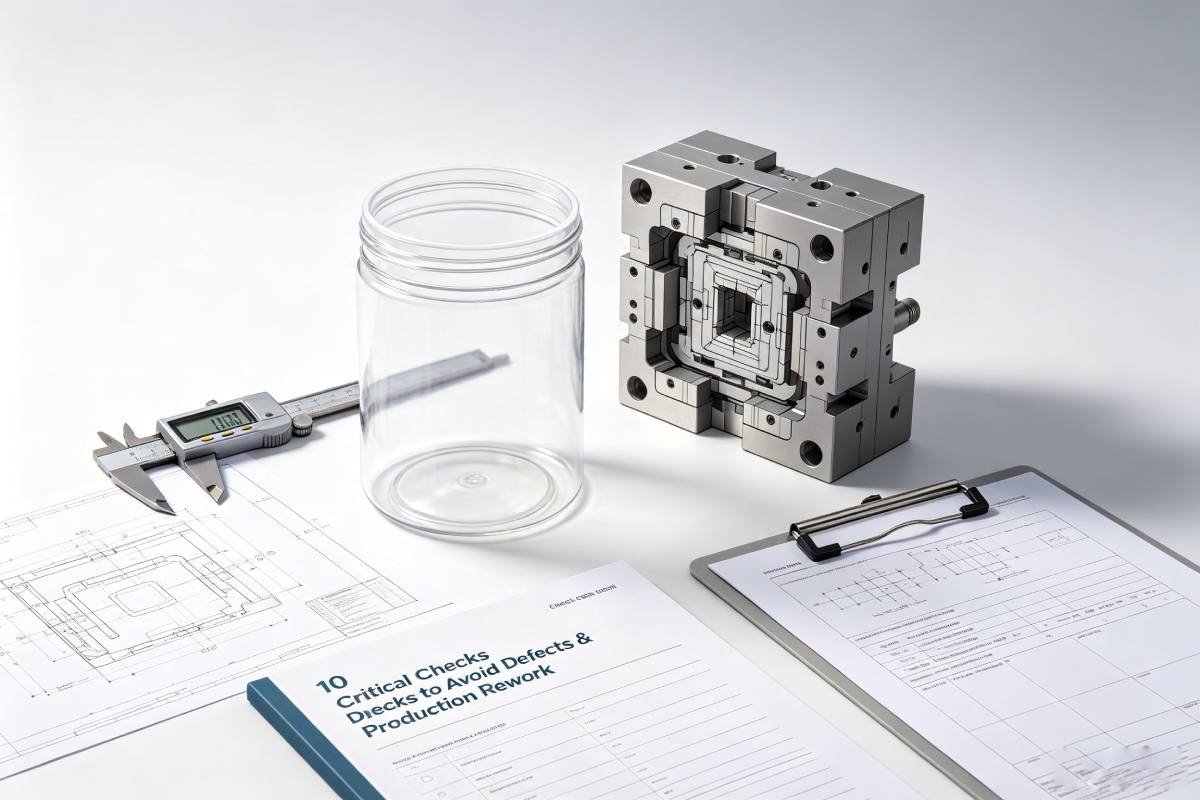
Custom Food Plastic Jar and Bottle Mold Development Checklist Introduction Launching a custom plastic jar mold project is one of the most effective ways for packaging brands to achieve differentiated shelf displays, exclusive specifications, and perfect compatibility with filling production lines. However, most new custom mold failures do not stem from poor mold manufacturing accuracy…
-
Why Plastic Bottle Caps Leak? Common Causes & Solutions
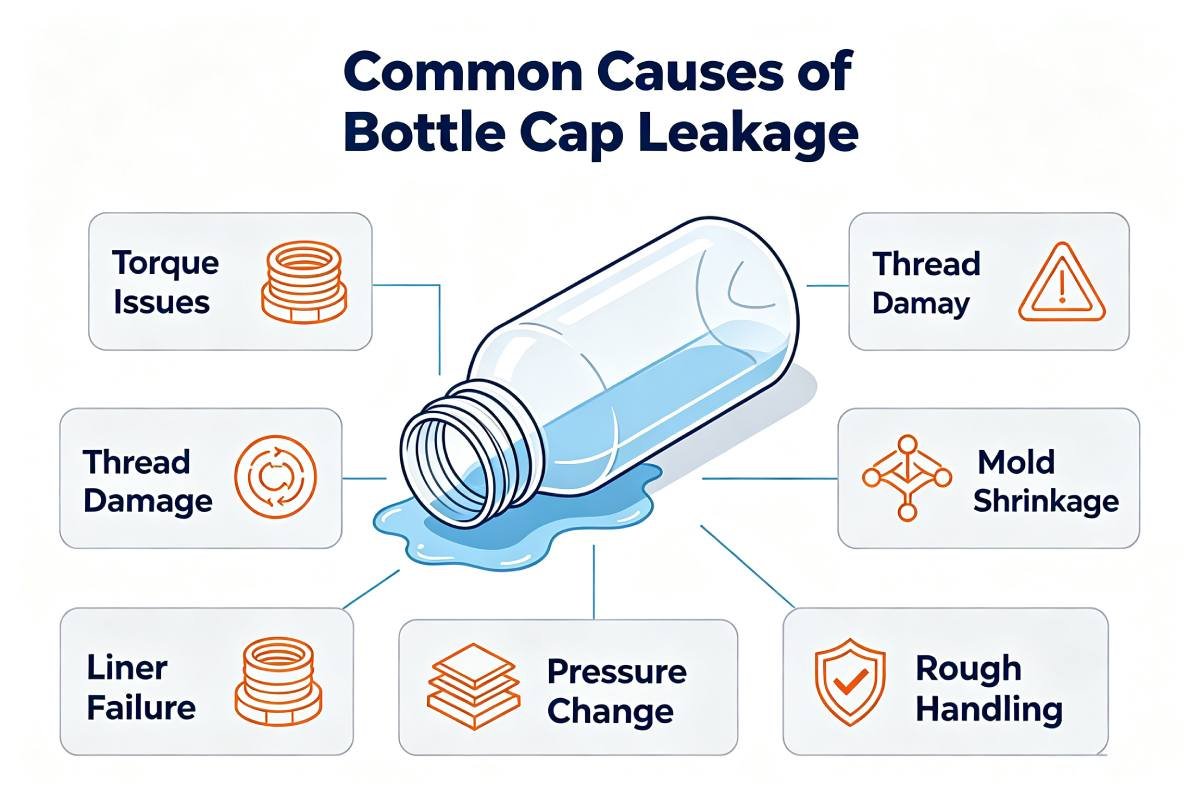
Why Plastic Bottle Caps Leak? Common Causes & Solutions Introduction Leakage is one of the most frequent complaints for plastic bottle packaging, especially for food, sauce, and beverage containers. Even high-quality HDPE, PET or PP bottles may leak if the cap design, manufacturing or assembly is not handled properly. For bulk buyers, leaking caps lead…
-
Food contact Certifications for Food-Grade PET Bottles: FDA, LFGB, EU 10/2011 and Global Market Compliance Guide
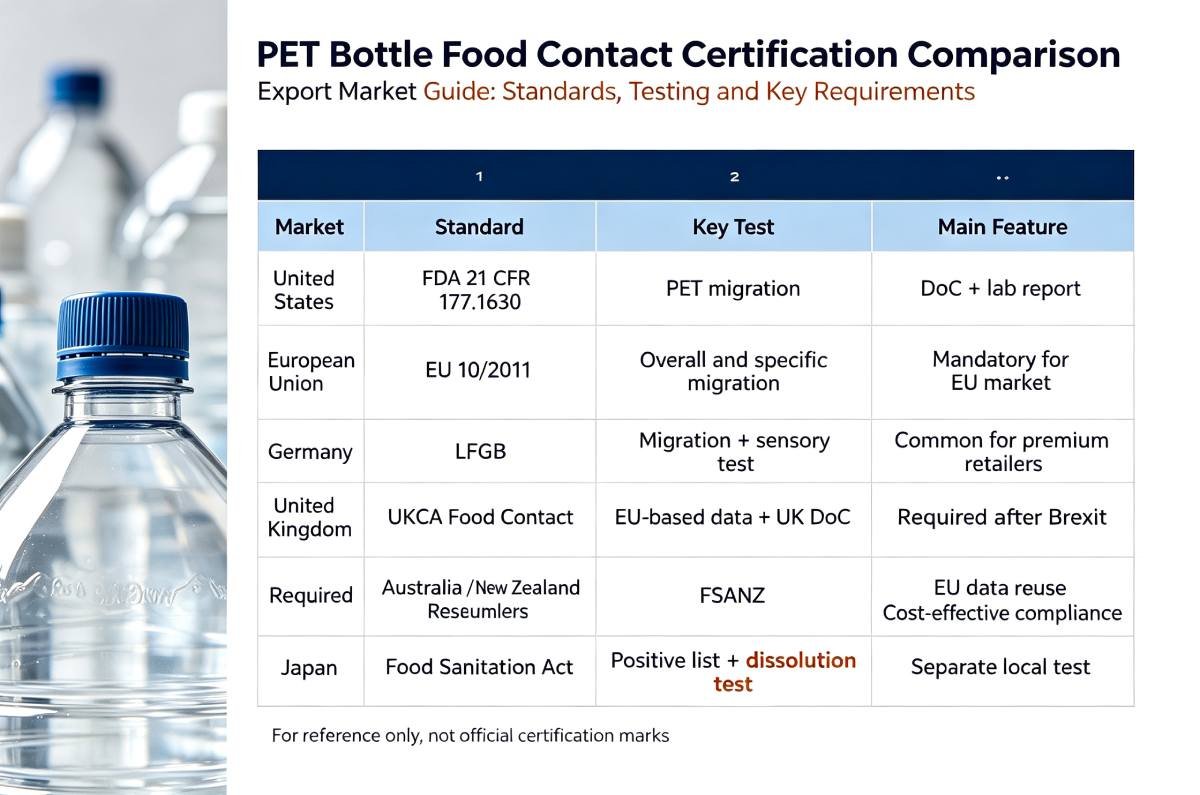
Food Contact Certifications for Food-Grade PET Bottles: FDA, LFGB, EU 10/2011 Introduction For food and beverage packaging manufacturers and wholesale buyers, compliance food contact certifications are the most critical factor when sourcing PET bottles. Different countries and regions set independent food-contact regulations. Many overseas buyers will ask suppliers to provide relevant test reports before placing…
-
How PP and PET Caps Match | Food‑Contact Safety Guidelines
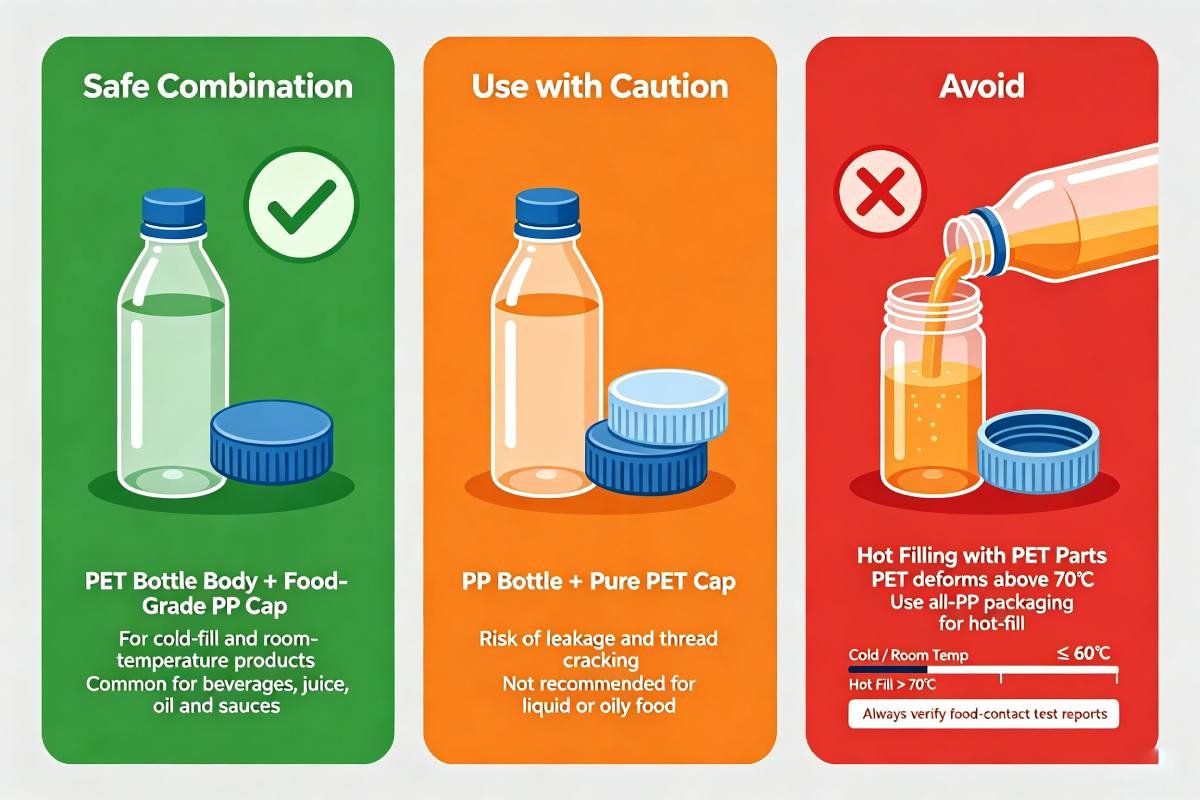
How PP & PET Caps Match | Food‑Contact Safety Guidelines Introduction Many packaging buyers wonder whether PP caps and PET caps can be mixed and matched for food‑grade bottles. While both PP (polypropylene) and PET (polyethylene terephthalate) are approved food‑contact plastics, their material properties, sealing performance and temperature limits are very different. This article explains…
-
Why Food-Grade Plastic Bottles Matter for Your Food Packaging Business
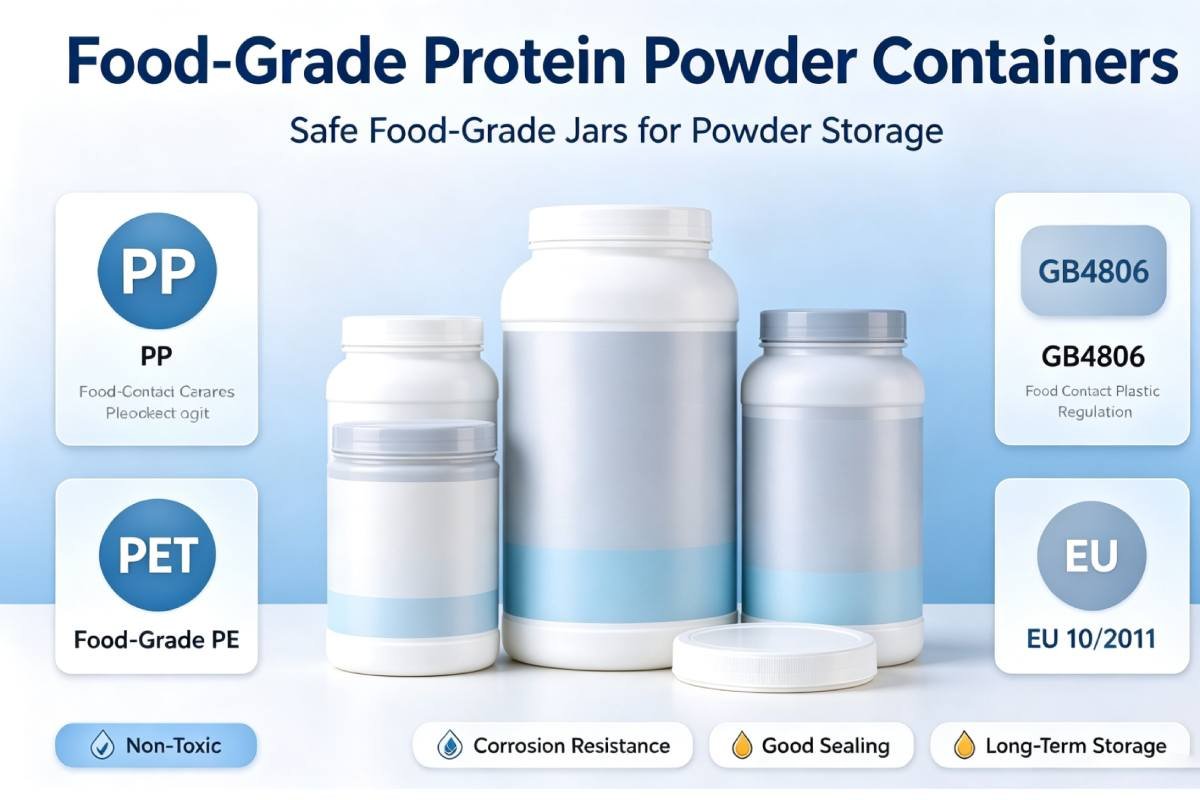
Why Food-Grade Plastic Bottles Matter for Your Food Packaging Business Introduction When purchasing food-grade plastic bottles for food storage, sauce packaging, beverage filling, or daily food container use, many buyers focus only on appearance, capacity, and price. However, food-grade safety standards are the most critical factor that determines product compliance, market sales, and customer trust.…
-
DAP vs DDP for Plastic Food Bottle | Hidden Risks Importers Should Know
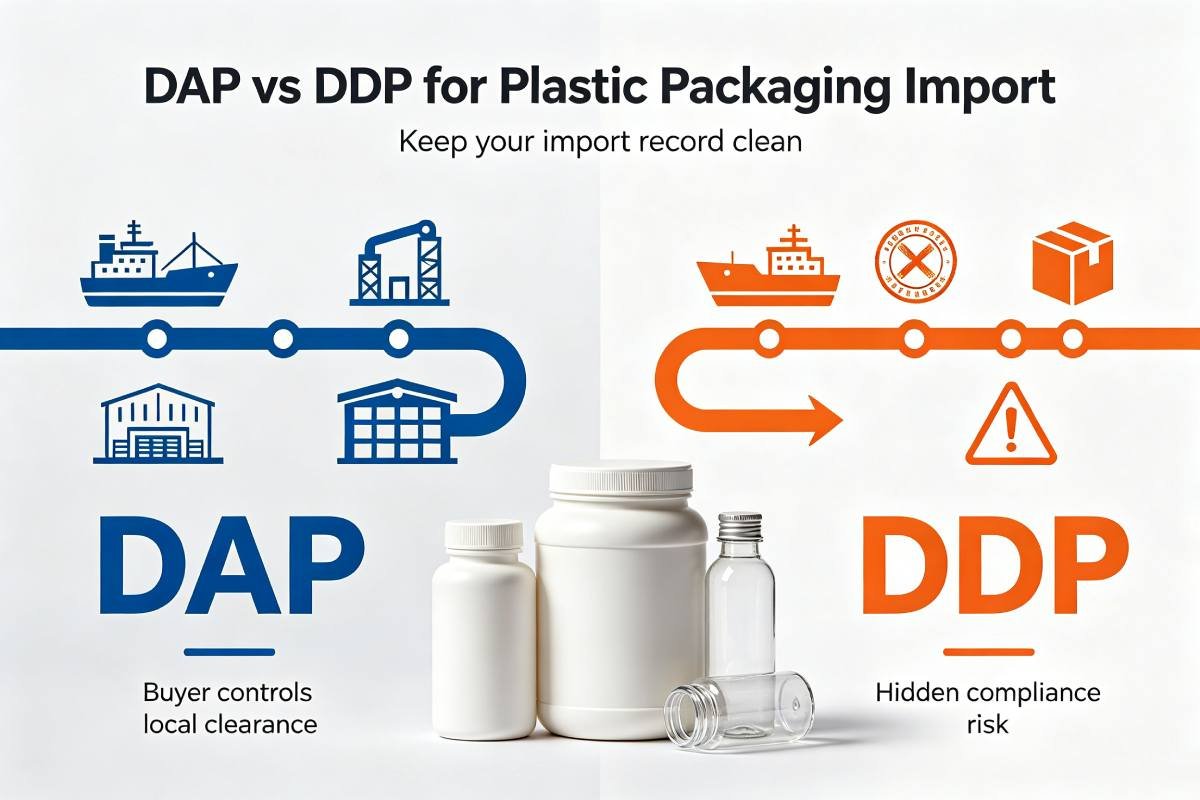
DAP vs DDP for Plastic Food Bottle | Hidden Risks Importers Should Know Introduction When sourcing PET preforms, protein powder jars and food plastic packaging bottles from overseas manufacturers, many buyers focus only on product quality, mold cost and unit price. One critical point often overlooked is the international shipping term you agree on with…