
Latest posts
-
How to Choose the Right Preform Weight? Is Heavier PET Preform Always Better?
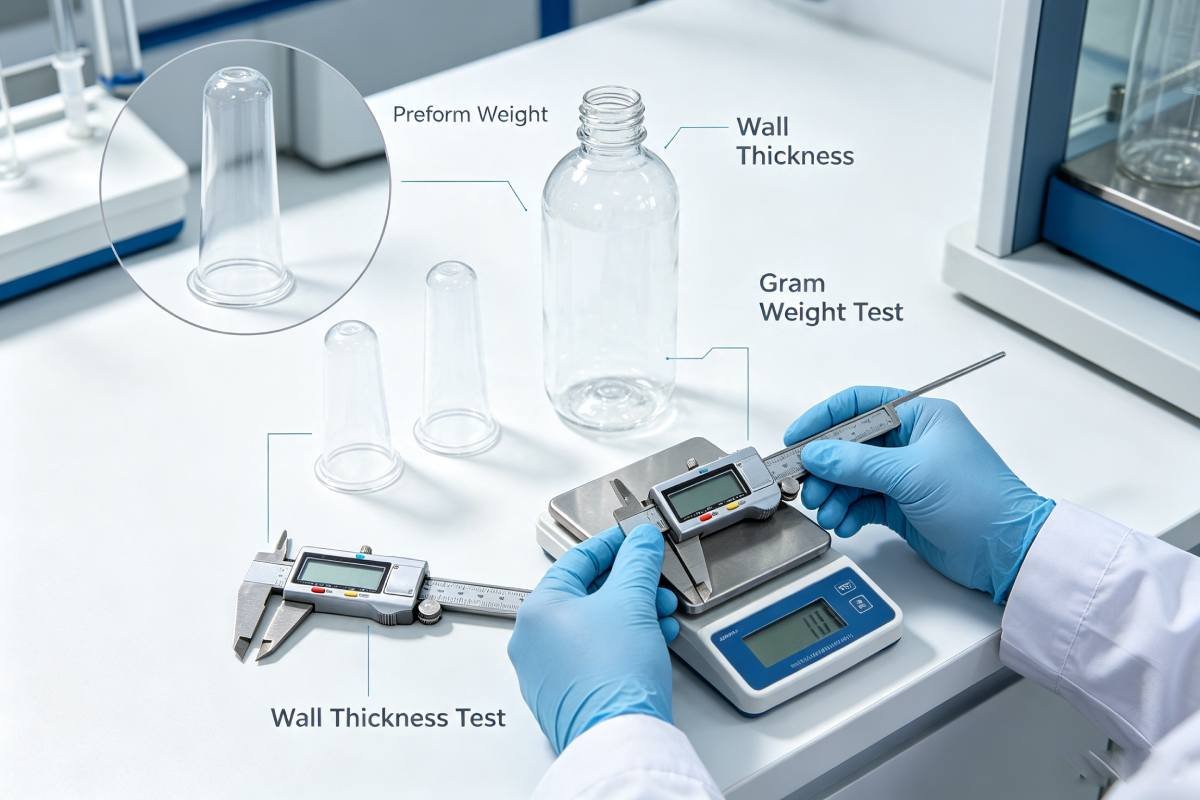
How to Choose the Right Preform Weight? Is Heavier PET Preform Always Better? Introduction Many new buyers of PET preforms hold a common misunderstanding: the heavier the preform, the stronger the final bottle. In practice, preform gram weight selection is a balance among bottle volume, application scenario, filling process, transportation pressure and production cost. Too…
-
Wide Mouth vs Narrow Neck Preforms Applications Cost Differences
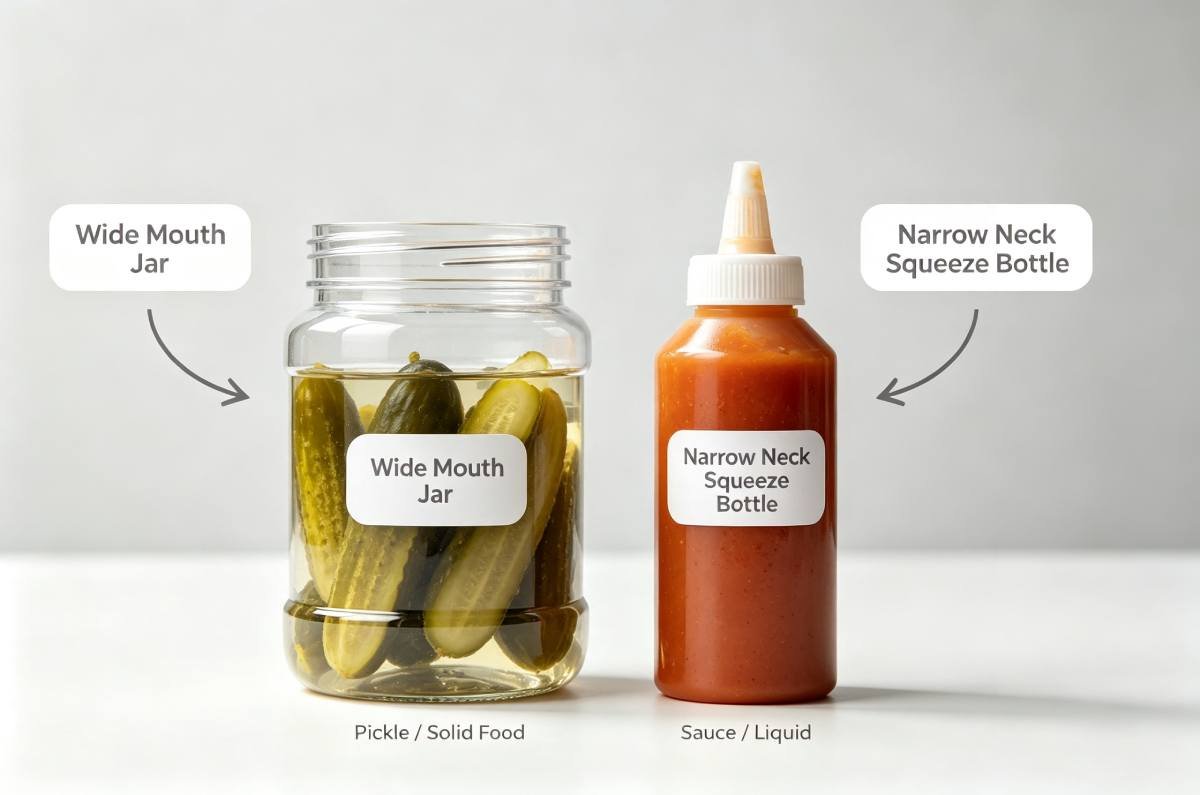
Wide Mouth vs Narrow Neck Preforms Applications Cost Differences Introduction PET preform is the semi-finished blank for blow molding plastic bottles. The neck diameter of preforms directly determines bottle mouth size, affecting filling speed, product loading, sealing effect, and overall production cost. Many packaging buyers struggle to choose between wide mouth preforms and narrow neck…
-
28mm PET Preform | Suitable Beverage and Packaging Applications
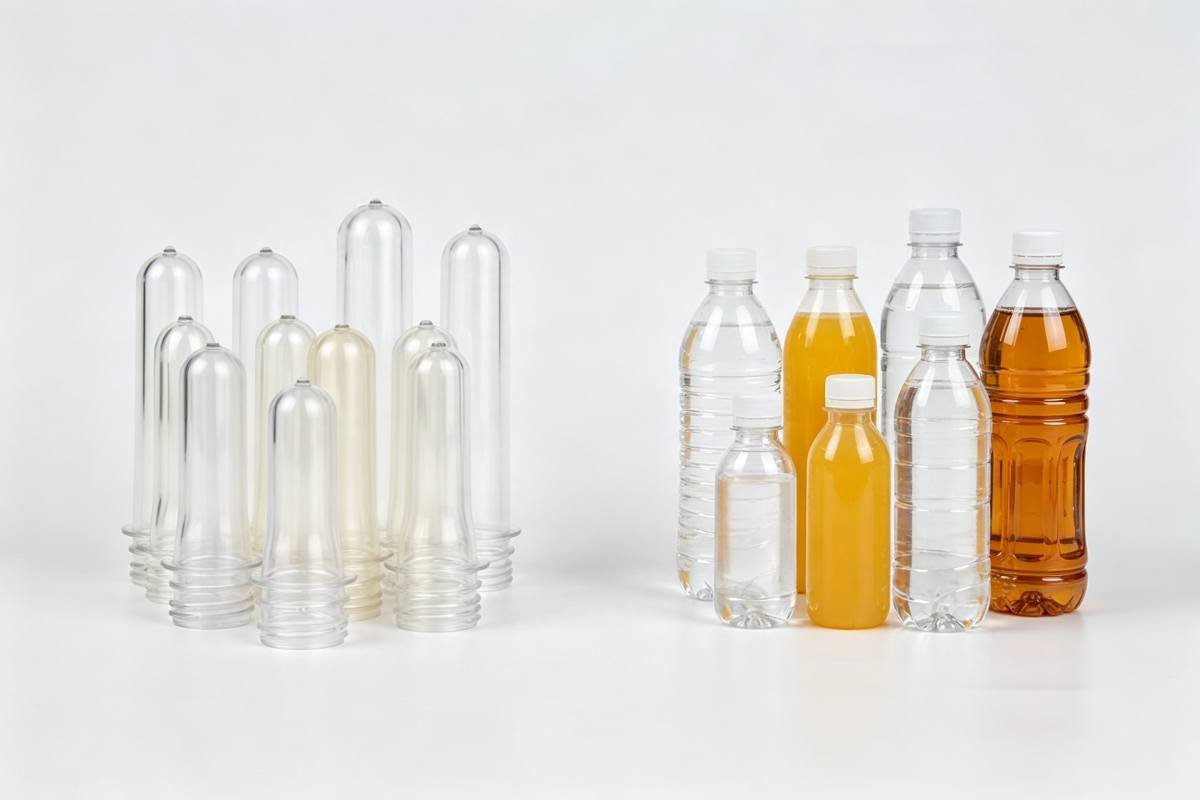
28mm PET Preform | Suitable Beverage and Packaging Applications Introduction Choosing the correct neck finish is one of the most critical steps when you select PET preforms for beverage packaging. Among all standard sizes, the 28mm PET preform is one of the most widely used options in the drink industry. Many blow molding plants and…
-
PET vs HDPE vs PP Plastic Bottles for Sauce Packaging Material Selection
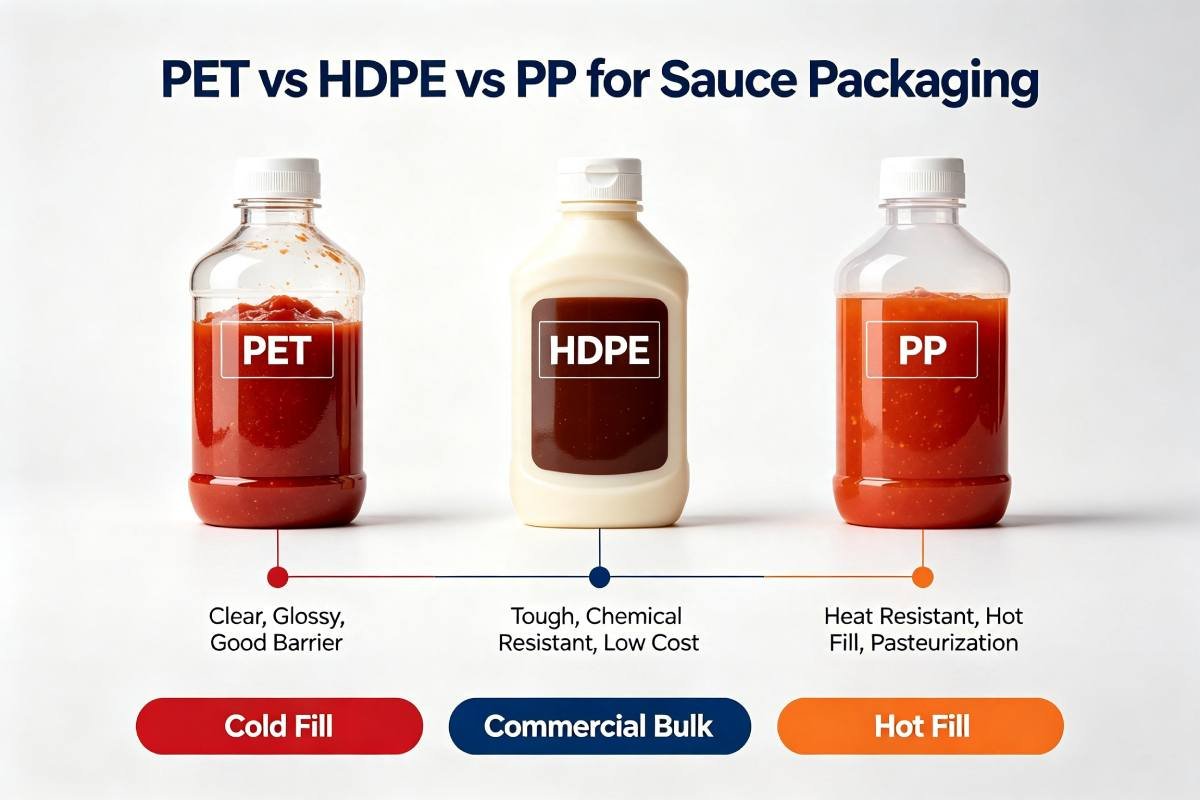
PET vs HDPE vs PP Plastic Bottles for Sauce Packaging Material Selection Introduction When you design packaging for sauces and seasonings, choosing the right plastic bottle material is one of the most critical decisions. PET, HDPE and PP are the three dominant food-grade plastic options widely used in condiment packaging. The wrong material can cause…
-
Food‑Service Squeeze Bottle Ergonomic Testing: How to Avoid Real‑World Kitchen Failure Beyond Lab Certification
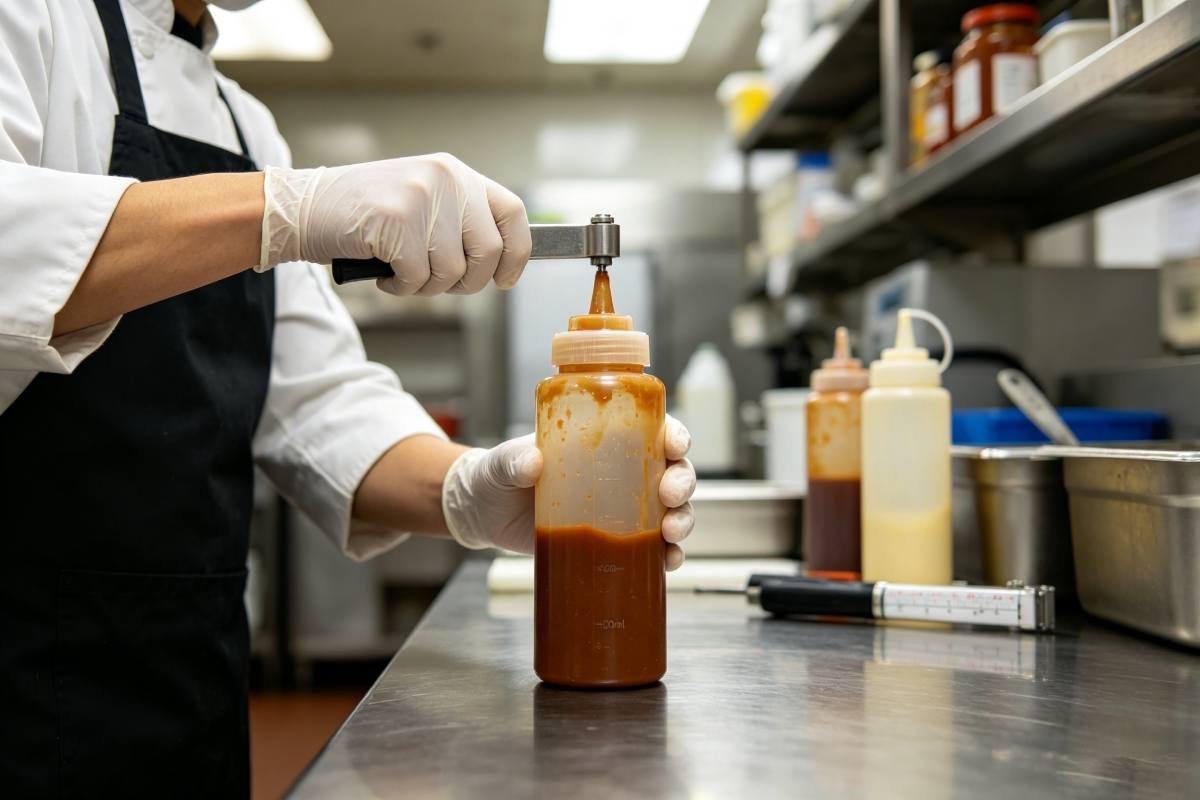
Food‑Service Squeeze Bottle Ergonomic Testing for Kitchen Using Introduction Lab testing and food safety certification are the basic standards for commercial squeeze bottles. Most restaurant buyers, catering chain operators, and food packaging distributors only focus on FDA compliance, leak-proof performance, drop resistance, and material safety data. However, countless catering practice cases prove a common problem:…
-
Sauce Bottle & Automated Filling Line Compatibility Key Factors to Avoid Downtime & Bottling Errors
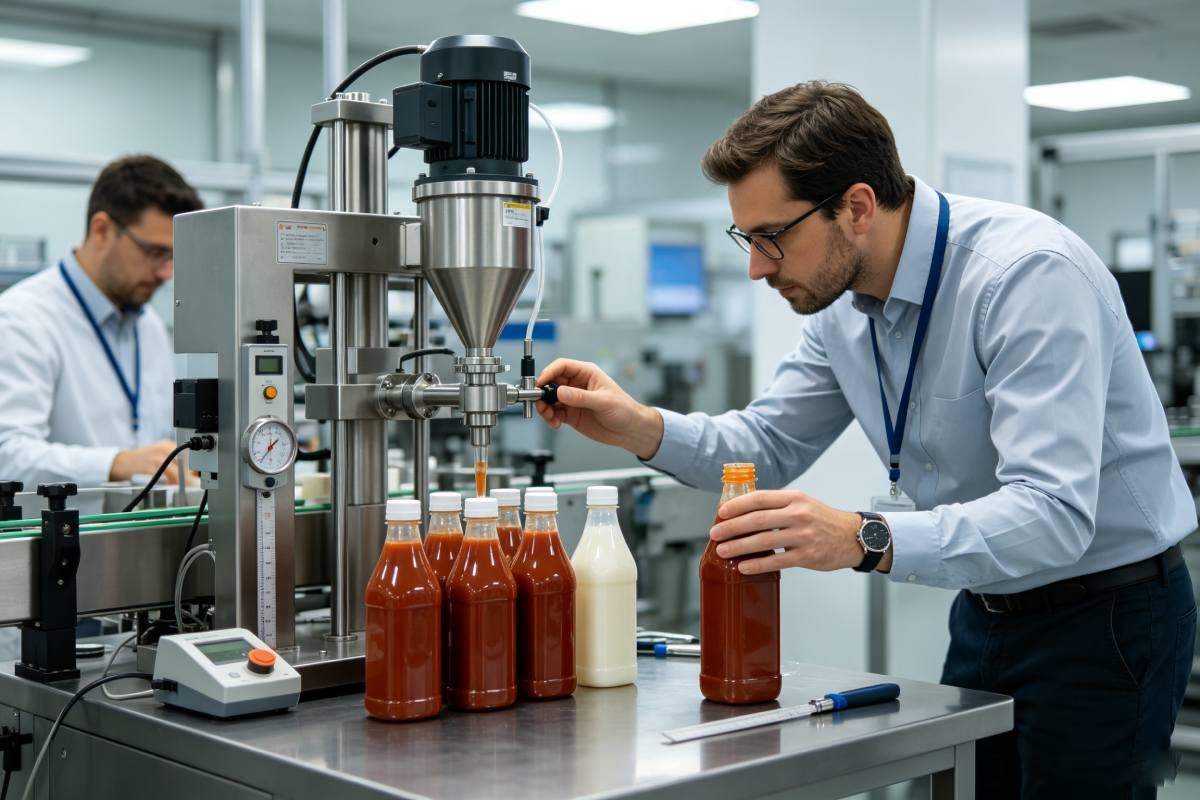
Sauce Bottle & Automated Filling Line Compatibility Key Factors Introduction Many food brands focus their packaging selection only on shelf appeal, material safety, and cost. Yet one overlooked factor can create massive production headaches: whether your plastic sauce bottles are fully compatible with your automated filling, capping, labelling and cartoning line. Even an attractive, food-safe…
-
Custom Plastic Jar Mold Development Checklist: 10 Critical Checks to Avoid Defects & Production Rework
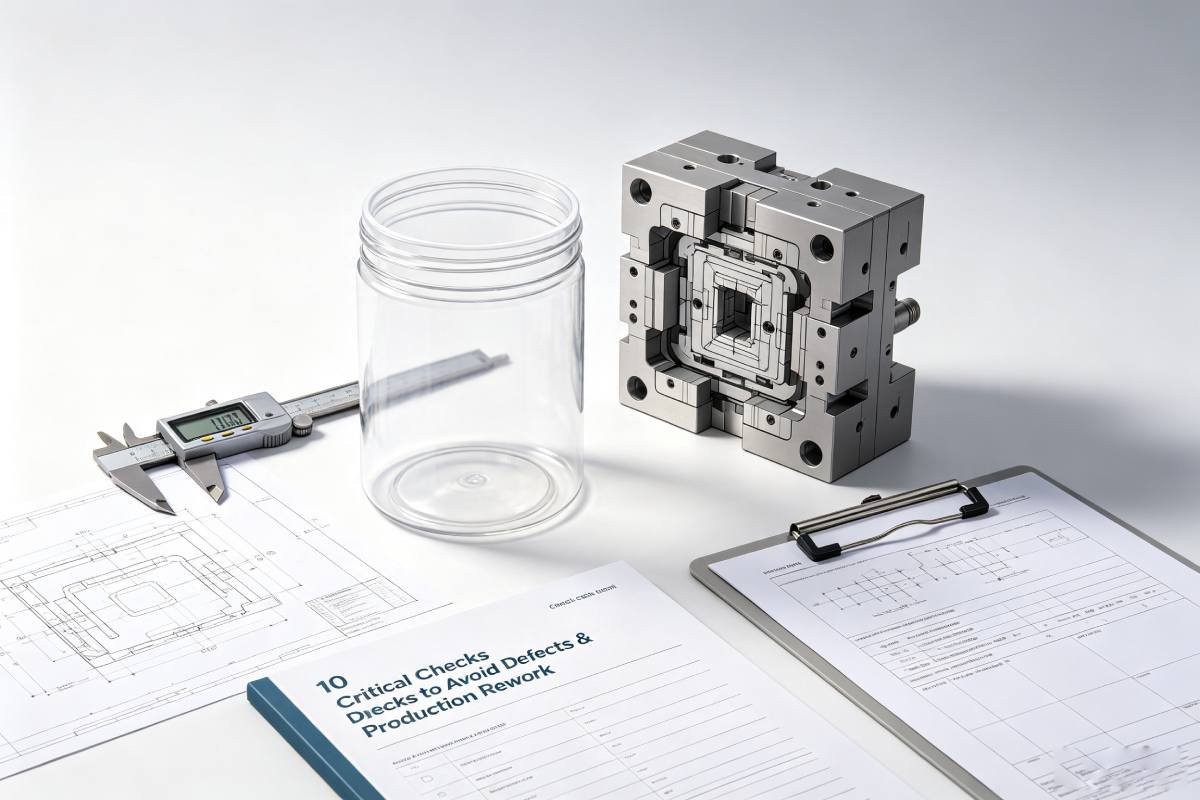
Custom Food Plastic Jar and Bottle Mold Development Checklist Introduction Launching a custom plastic jar mold project is one of the most effective ways for packaging brands to achieve differentiated shelf displays, exclusive specifications, and perfect compatibility with filling production lines. However, most new custom mold failures do not stem from poor mold manufacturing accuracy…
-
Why Plastic Bottle Caps Leak? Common Causes & Solutions
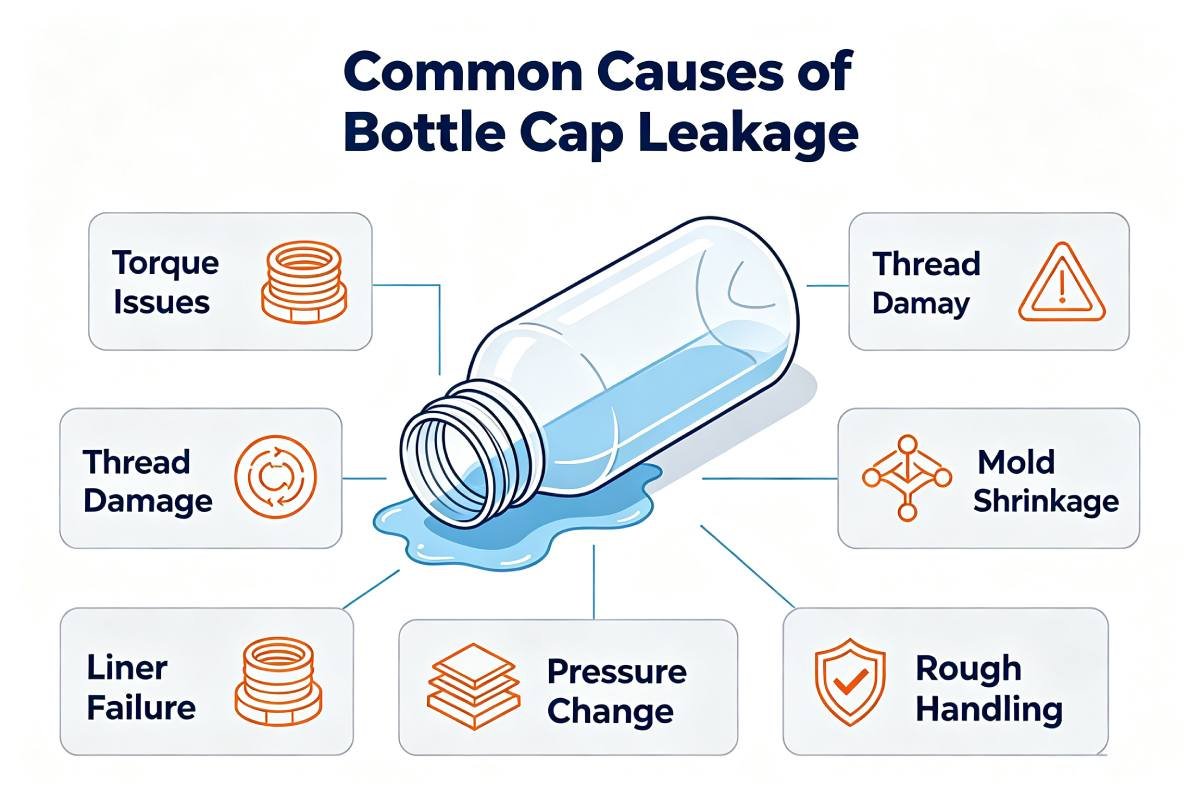
Why Plastic Bottle Caps Leak? Common Causes & Solutions Introduction Leakage is one of the most frequent complaints for plastic bottle packaging, especially for food, sauce, and beverage containers. Even high-quality HDPE, PET or PP bottles may leak if the cap design, manufacturing or assembly is not handled properly. For bulk buyers, leaking caps lead…
-
Food contact Certifications for Food-Grade PET Bottles: FDA, LFGB, EU 10/2011 and Global Market Compliance Guide
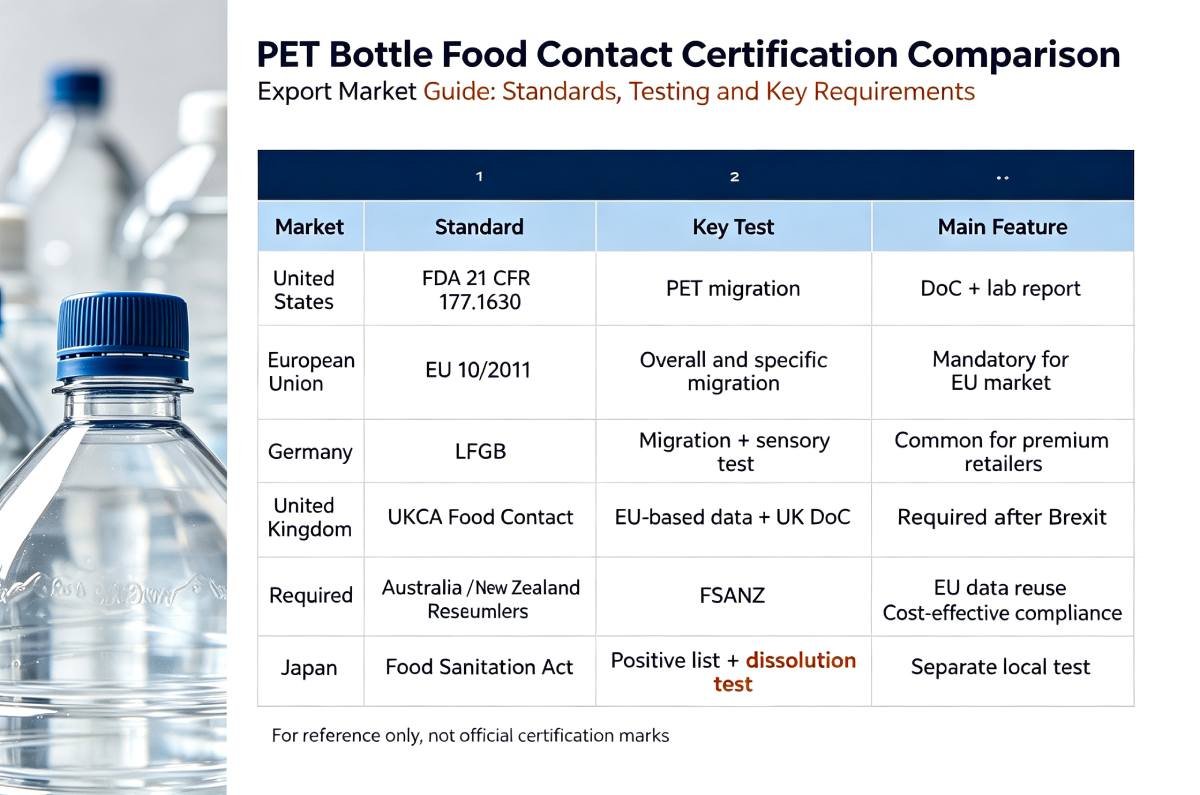
Food Contact Certifications for Food-Grade PET Bottles: FDA, LFGB, EU 10/2011 Introduction For food and beverage packaging manufacturers and wholesale buyers, compliance food contact certifications are the most critical factor when sourcing PET bottles. Different countries and regions set independent food-contact regulations. Many overseas buyers will ask suppliers to provide relevant test reports before placing…
-
How PP and PET Caps Match | Food‑Contact Safety Guidelines
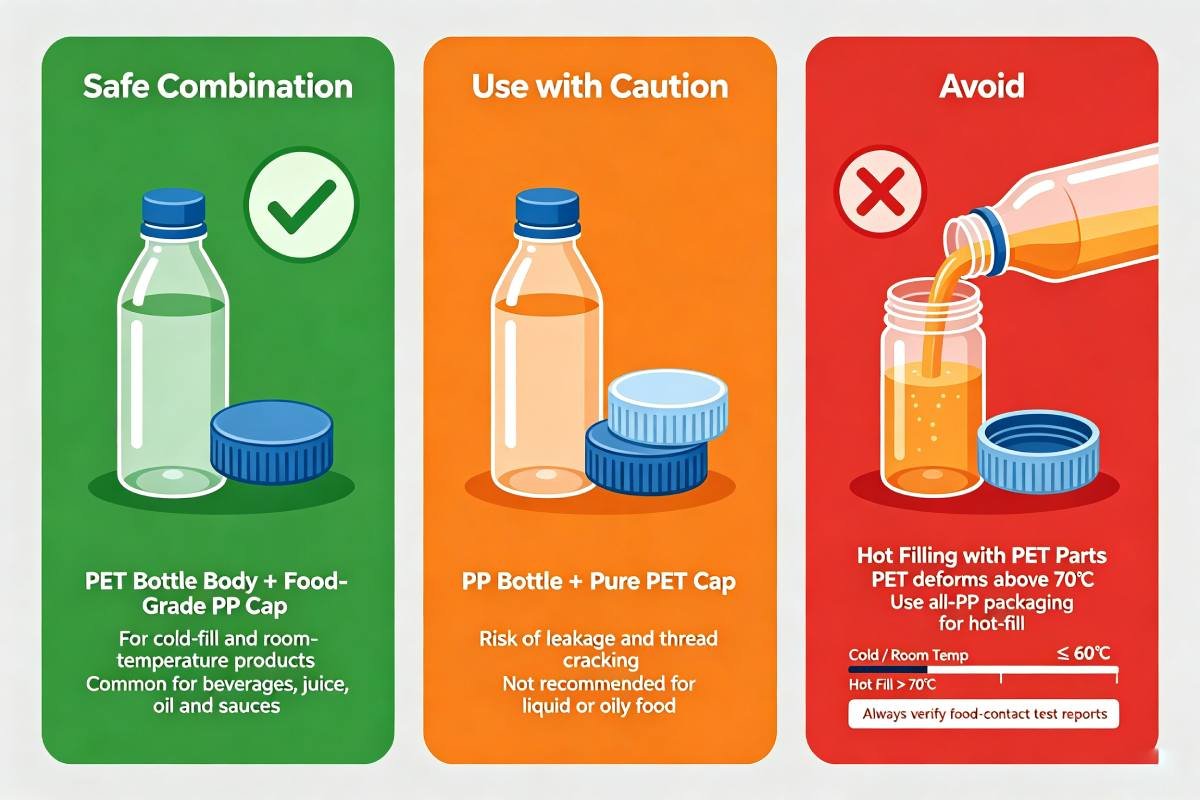
How PP & PET Caps Match | Food‑Contact Safety Guidelines Introduction Many packaging buyers wonder whether PP caps and PET caps can be mixed and matched for food‑grade bottles. While both PP (polypropylene) and PET (polyethylene terephthalate) are approved food‑contact plastics, their material properties, sealing performance and temperature limits are very different. This article explains…
-
Why Food-Grade Plastic Bottles Matter for Your Food Packaging Business
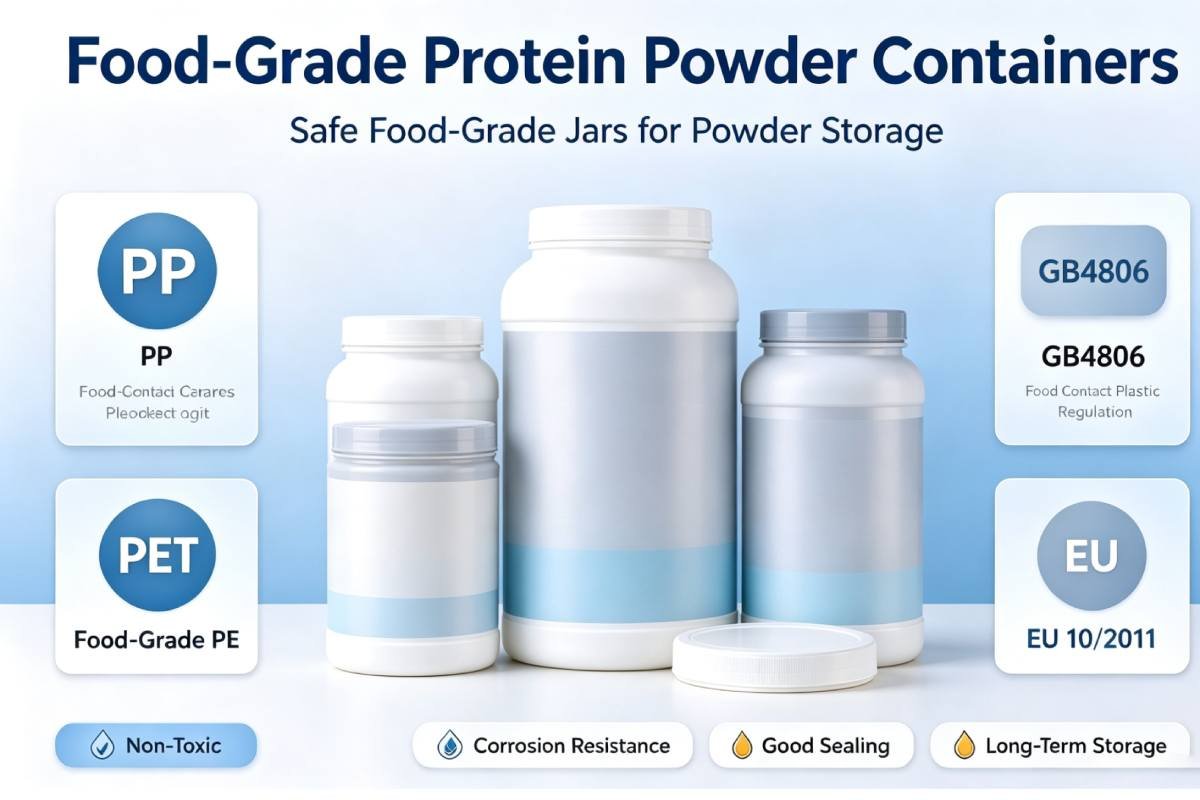
Why Food-Grade Plastic Bottles Matter for Your Food Packaging Business Introduction When purchasing food-grade plastic bottles for food storage, sauce packaging, beverage filling, or daily food container use, many buyers focus only on appearance, capacity, and price. However, food-grade safety standards are the most critical factor that determines product compliance, market sales, and customer trust.…
-
DAP vs DDP for Plastic Food Bottle | Hidden Risks Importers Should Know
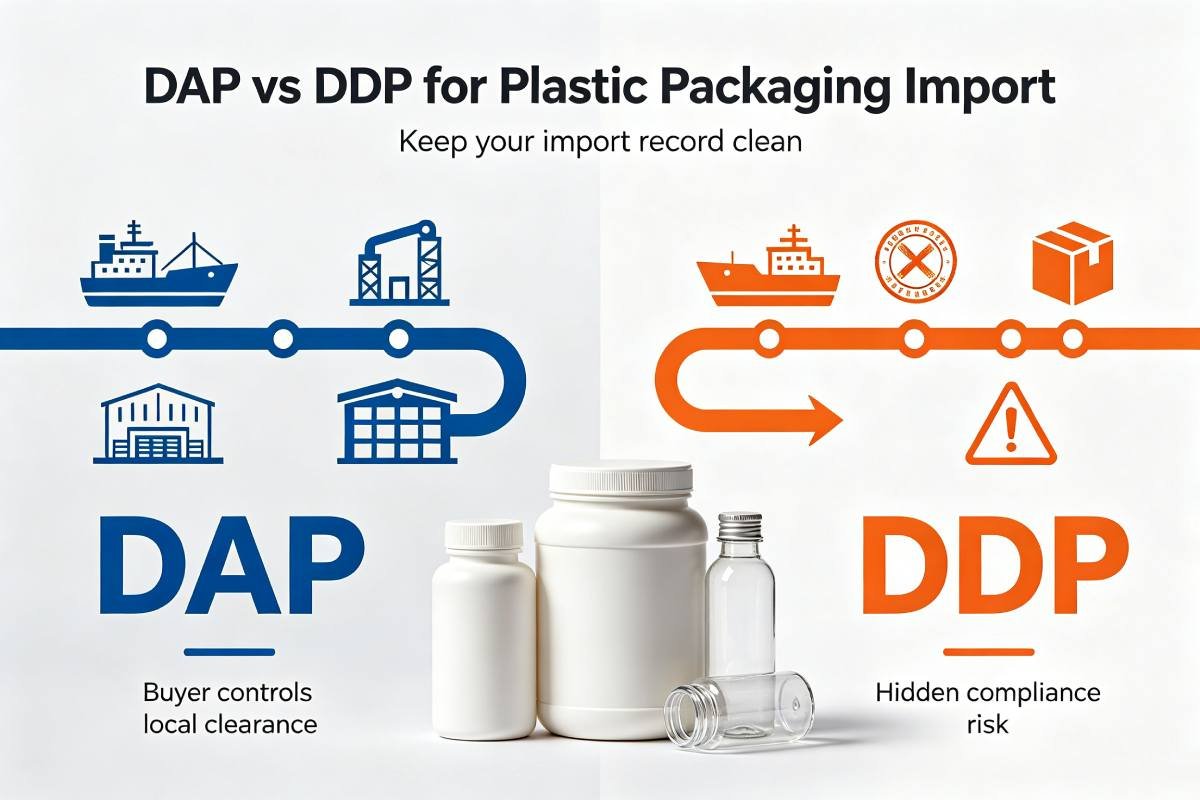
DAP vs DDP for Plastic Food Bottle | Hidden Risks Importers Should Know Introduction When sourcing PET preforms, protein powder jars and food plastic packaging bottles from overseas manufacturers, many buyers focus only on product quality, mold cost and unit price. One critical point often overlooked is the international shipping term you agree on with…