

Introduction
The global PET preforms market keeps drawing attention from packaging buyers, especially as more brands shift their supply chain strategy and source preforms directly instead of finished bottles.
If you are sourcing food-grade, animal-health or supplement packaging, understanding this market helps you pick the right supplier and cut your overall packaging cost.
What Are PET Preforms?
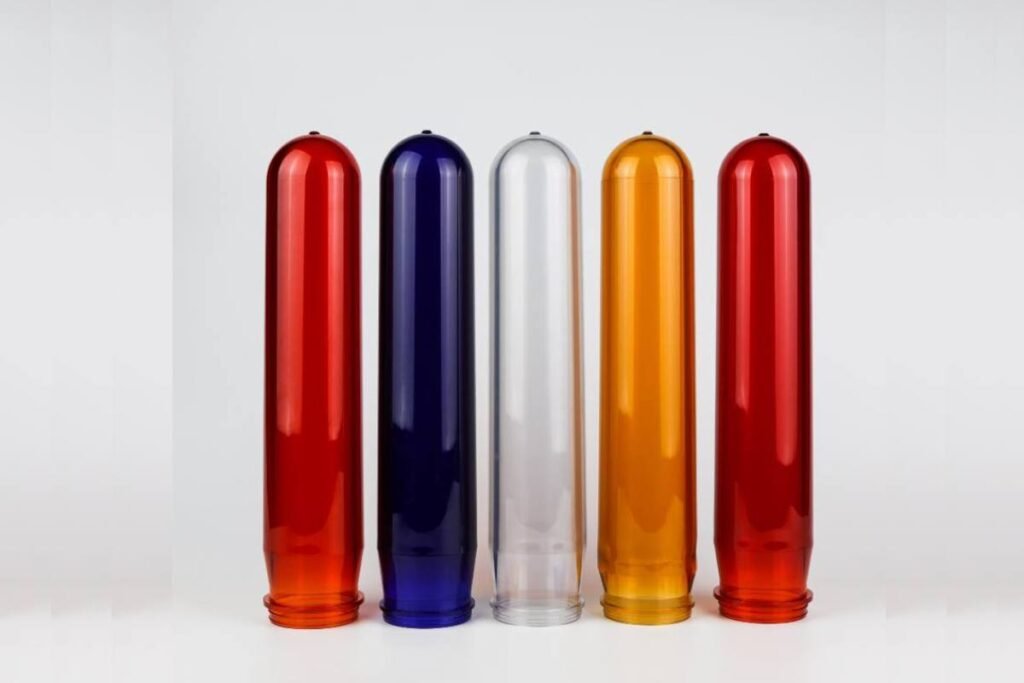
PET preforms are injection‑moulded semi‑finished tubes, the blank for all stretch blow moulded PET bottles. After heating and stretching inside a blow mould, they turn into bottles of different shapes and volumes, for edible oil, veterinary drugs, tincture, protein powder, oral liquid and more.
Sourcing preforms rather than ready‑made bottles brings clear benefits: greatly reduced shipping volume and freight cost, flexible blow‑and‑fill scheduling, and tight control over neck finish, wall thickness and light barrier performance.
Global Layout of the PET Preforms Market
Asia‑Pacific is the world’s largest production and consumption hub, with China as the leading export base, boasting abundant mould inventory and high‑speed multi‑cavity injection machines for both standard and custom preform orders. The European and North American markets are mature with strict regulatory standards, while the Middle East, Eastern Europe, Southeast Asia and Africa represent fast‑growing emerging markets driven by food, animal health and edible oil packaging demand.
Beverages still dominate the total consumption. However, the fastest‑growing segment is high‑value packaging for food contact, edible oil, pet healthcare, veterinary products and nutritional supplements. Buyers in this segment prioritise material traceability and compliance instead of only chasing the lowest price.
The market splits into two clear tracks. Mass‑produced generic preforms compete on capacity and unit price. Custom high‑grade preforms, such as light‑blocking amber variants, high‑barrier types and designs for induction sealing, enjoy less fierce competition and stable repeat orders.
Three Major Trends Shaping the Market
Lightweighting Has Become an Industry Standard
Brands keep pushing lightweight designs to reduce raw material consumption and meet plastic reduction rules. Modern mould and injection technology lowers preform weight without sacrificing mechanical strength, sealing and barrier properties. Lightweight preforms cut material and logistics costs and are widely requested in international tender enquiries.
Certified rPET Demand Is Rising Rapidly
Regulations across the EU and UK force packaging to contain defined recycled PET content. More buyers ask for traceable, tested rPET preforms at the enquiry stage. Complete migration documentation and compliance certificates are now entry requirements for these markets. Even so, infant‑food and pharmaceutical applications normally require virgin food‑contact resin for maximum safety.
Demand for Application‑Specific Preforms Is Surging
Traditional orders were concentrated on plain water bottles. Today, specialised preforms grow steadily: grease‑resistant designs for cold‑pressed edible oil, UV‑blocking amber preforms for veterinary goods and herbal tinctures, narrow‑neck blanks for dropper and oral bottles, and preforms engineered to match child‑resistant closures. These niche products bring longer customer retention.
Key Factors B2B Buyers Evaluate
When international buyers search the PET preforms market, they are actively screening qualified manufacturers. Based on our enquiries, professional purchasers focus on these core points.
First, material grade. Virgin food‑contact PET with EU 10/201 and FDA supporting documents is essential. For animal healthcare packaging, extra paperwork covering migration limits, NIAS risk assessment and BPA declarations is often mandatory.
Second, neck finish and mould precision. Common specs like 24/410 and custom threads must match existing caps, spray pumps and induction sealing systems. Poor tolerance causes leakage and assembly failure after blow moulding.
Third, blow moulding compatibility. The preform’s stretch ratio and wall distribution need to suit the buyer’s blow machine; otherwise scrap rates will rise sharply. Experienced suppliers adjust preform geometry for customers’ existing production lines.
Fourth, MOQ and sample policy. Standard items support small sample orders, while new custom moulds require mould investment and higher minimum quantities.
Fifth, full documentation package. Buyers targeting the EU and aligned markets will hold shipments without complete compliance reports, even if pricing is attractive.
Main Market Challenges
Fluctuating PET chip prices create continuous pressure on quotations. Packaging regulations keep evolving separately across territories; suppliers unfamiliar with local rules may cause customs hold‑ups. A large volume of low‑cost, inferior preforms flood the market, featuring uneven wall thickness, contamination risk and cracking issues. High‑quality compliant suppliers will capture more long‑term business over time.
Opportunities for Specialised Packaging Suppliers
Generic preform business suffers heavy price competition, but there is solid opportunity in compliant niche segments: amber preforms for animal health, oil‑resistant preforms for edible oil, and blanks for supplements, tinctures and oral bottles. We can deliver preforms alone or offer finished blow‑moulded bottles, giving buyers two flexible sourcing routes. This one‑stop solution appeals strongly to smaller brands and import traders.
Search traffic for “PET preforms market” brings highly qualified B2B visitors: packaging procurement officers, brand R&D teams and importers with clear buying intent.
FAQ
Is it better to buy preforms or finished bottles?
Large filling factories with in‑house blow lines save substantial freight by ordering preforms. Buyers without blow moulding equipment and smaller batches usually prefer ready‑made bottles for simplicity.
Can rPET preforms be used for infant food packaging?
Rules are strict inside the EU. Most purchasers for infant food contact still select virgin PET. Recycled material needs full certification, traceability and independent risk evaluation before approval.
Are amber preforms only available in dark shades?
We can produce amber preforms in different tint depths to block ultraviolet light and protect oxidation‑sensitive powder, oil and veterinary formulations. All colourants are food‑contact approved.
How long does it take to develop a custom preform?
New custom moulds require several weeks for tooling, sampling and validation. Standard preform designs can ship samples much faster.
Get Your Wholesale Packaging Bottle Inquiry Solution
Tell us your requirement for capacity, color, logo printing. We will reply you within 24 working hours.