
How to Choose
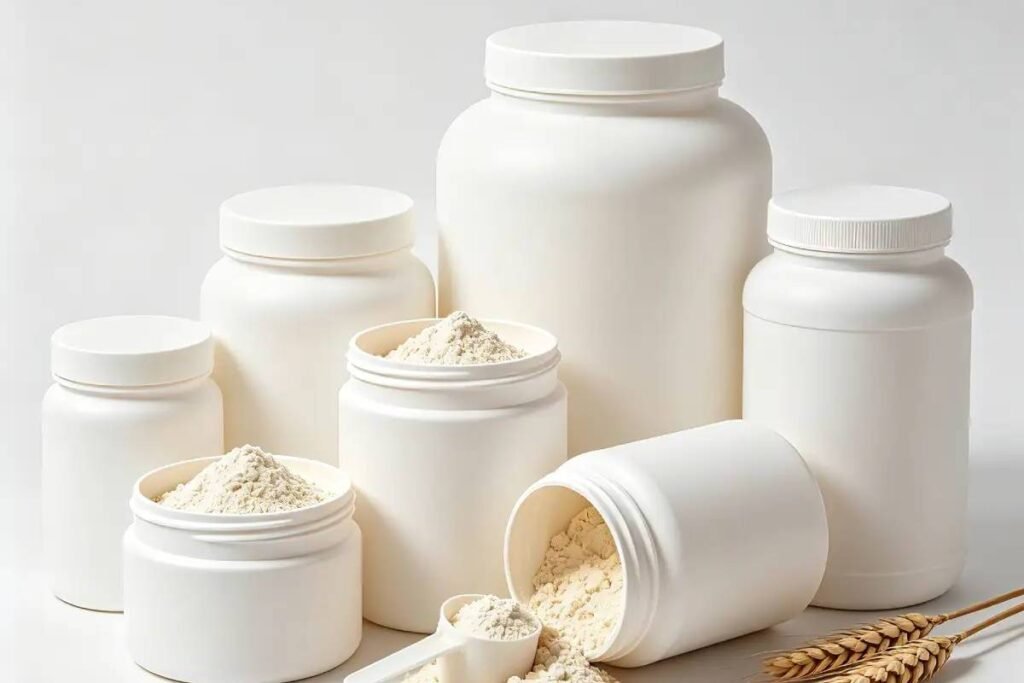
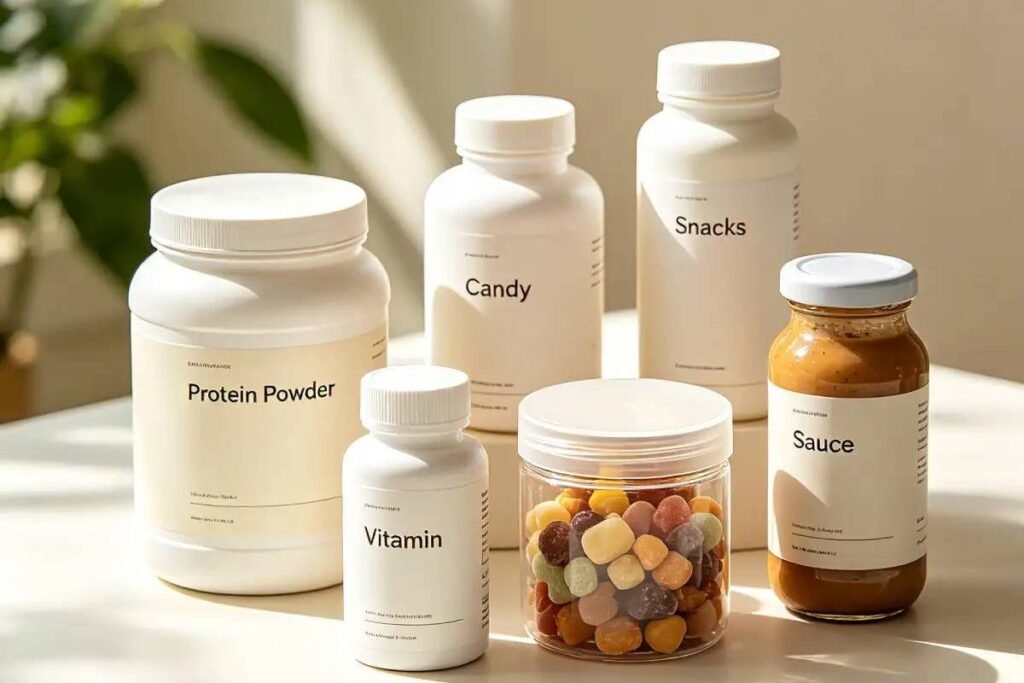
If you are sourcing packaging for protein powder, dietary supplements, or powdered nutrition products, picking the right food-grade plastic jar is critical. A proper container protects product quality, meets regional safety regulations, and improves your brand presentation.
1. Select the Right Raw Material
PET and HDPE are the two most common materials for supplement jars, each with unique features:
- PET: Clear, lightweight, low cost, good for showing the powder inside. It is widely used for regular protein powder packaging.
- HDPE: Opaque, better moisture and oxygen resistance. Ideal for products that need protection from light and humidity.
Avoid non-food-grade recycled plastic for edible powder products, as it carries contamination risks and fails most market compliance checks.
2. Focus on Sealing & Shelf Life
Powder products are easy to absorb moisture and clump. You need reliable sealing structures:
- Induction foil liners: Create an airtight tamper-evident seal, the most popular choice for protein powder.
- Screw caps: Match the jar neck perfectly. Optional child-resistant (CR) caps if you sell dietary supplements in North America and Europe.
3. Confirm Food Safety & Compliance
Different markets have different standards. For US and EU clients, the jar material must comply with FDA or EU food contact regulations.
Working with a manufacturer with a 100,000-class clean workshop ensures the containers are produced in hygienic conditions without impurities.
4. Consider Customization Options
Most brands want unique packaging to stand out. Common custom solutions include:
Custom sizes, color tint, silk screen printing, heat transfer printing, and private label stickers.
Before confirming orders, check the supplier’s MOQ (minimum order quantity) for custom jobs.
5. Match Size to Your Product Capacity
Calculate the volume according to the density of your protein powder. Do not only judge by net weight.
For example, 500g protein powder needs a larger jar volume than 500g dense granular supplements.
Final Tips
Prioritize safety, sealing performance and compliance first, then visual customization. A qualified food-grade plastic jar not only guards your product but also helps you win trust from distributors and end buyers.
If you need custom food packaging jars for protein powder, feel free to contact us for a free quote.
FAQ
Q: What material is best for protein powder plastic jars, PET or HDPE?
A: PET is clear and cost-effective to display powder inside, while HDPE offers better moisture and light barrier performance, which is suitable for long-term storage of protein supplements.
Q: Do your food-grade plastic jars meet FDA and EU food contact standards?
A: Yes. Our plastic containers are manufactured in a 100,000-class clean workshop and fully comply with FDA and EU food safety requirements for powder supplement packaging.
Q: Can I customize logo printing on these protein powder jars?
A: Custom silk screen printing, heat transfer printing and private label stickers are available. We will confirm the MOQ and color details before bulk production.
Q: What type of cap is recommended for protein powder containers?
A: Induction foil liner screw caps are the standard choice for airtight sealing and tamper evidence. Child-resistant caps are optional for supplements sold in North America and Europe.